A North Carolina summer is not a European one, and pretending otherwise is how people end up miserable in beautiful clothing. From June to September, Raleigh is humid in a way that defeats any garment designed primarily to look good in a photograph. The tailoring that works here has to be built for the actual weather outside the door on W. Johnson Street.
The good news is that warm-weather tailoring is, to my eye, the more interesting problem. Winter cloth is forgiving. It has weight, it drapes on its own, it hides a multitude of small sins. Summer cloth hides nothing, which means the cut has to be right.
Weight is the wrong number to look at
Most people shopping for a summer suit ask for something lightweight, and then are surprised when it wears hot. Weight is only half the story. What actually determines how a cloth wears in humidity is how much air moves through it, and that is a function of the weave far more than of the grams.
A tightly woven lightweight worsted can be more oppressive than a heavier, more open cloth, because it forms a sealed layer against the skin. An open weave with real air in it will breathe at a respectable weight — and it will also hold its shape rather than collapsing into something limp by lunchtime.
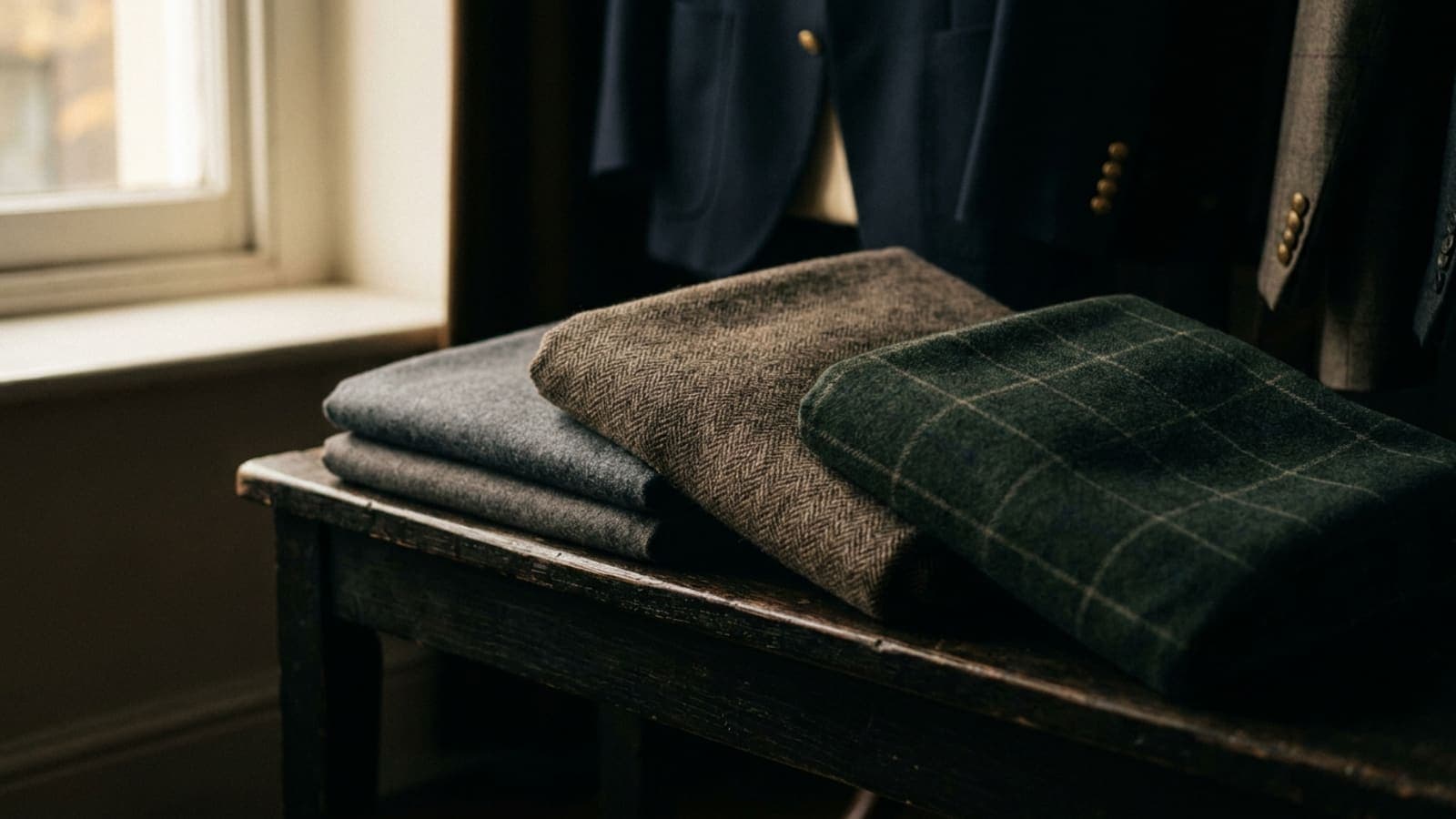
The cloths I keep returning to for this part of the year, from the English and Italian mills we buy from:
- High-twist wool — yarn spun hard before weaving, which leaves the cloth porous, springy and remarkably crease-resistant. If you buy one summer suit, buy this
- Fresco-type open weaves, the traditional answer to a hot climate and still the correct one
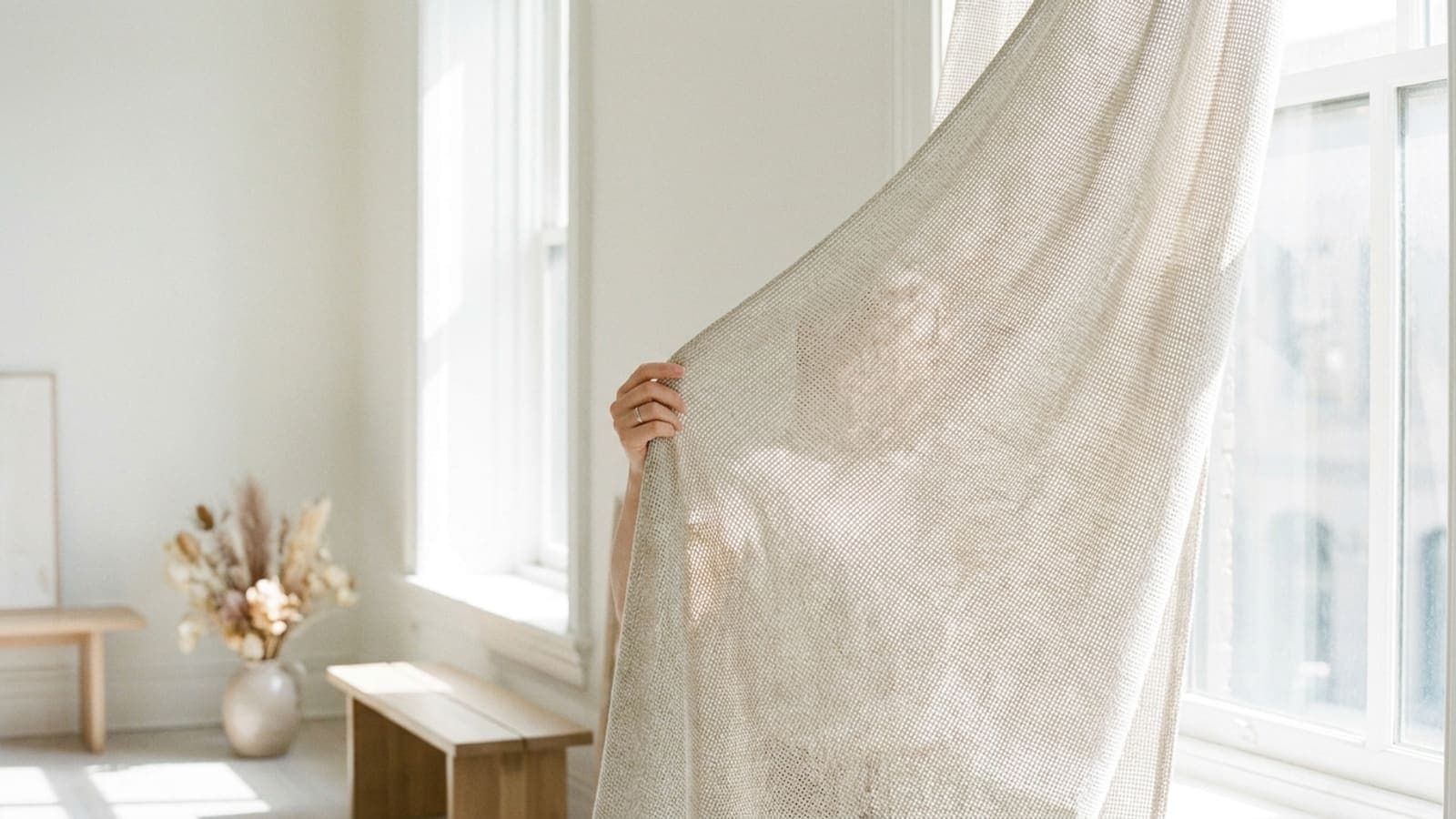
- Linen, which is unmatched for coolness and which will crease. That is the deal, and you either want it or you don’t
- Wool-linen and wool-silk-linen blends, which temper linen’s creasing without giving up its hand
- Hopsack — an open basketweave that makes a superb warm-weather blazer and resists wrinkling better than it has any right to
Take construction out, not cloth
The second lever, and the one people underuse, is how much is built into the jacket. A structured jacket carries canvas, padding at the shoulder and full lining. Every one of those layers is doing something for the silhouette, and every one of them is also insulation.
For summer we can take a great deal of that out. A half-lined or quarter-lined jacket puts lining only where it needs to slide — the shoulders, the sleeves — and leaves the back open. A lighter canvas and a softer, less padded shoulder let the jacket sit on you rather than over you. The result moves closer to a shirt in weight while still reading as tailoring.
The coolest jacket in the room is usually the one with the least built into it, not the one made from the thinnest cloth.
This is exactly the kind of decision that is easy in a bespoke commission and impossible off a rail. It is settled at the first appointment, before the pattern is drafted, and it is one of the things I ask about early: where will you actually wear this, and at what hour.
Colour, and the courage question
Summer is where most wardrobes get timid, which is odd, because it is the season that invites the most colour. The light is stronger and flatter, and it drains a mid-grey suit of everything interesting about it. Cloth that looks safe indoors in February can look washed out on a terrace in July.
What I steer toward instead: tobacco and olive, both far more versatile in the South than they sound. Stone and sand. A genuine mid-blue rather than navy, which is a winter colour doing summer duty. And for women’s commissions, saturated colour worn as a whole — the deep red trouser suit in the photograph above is not a risk, it is a decision, and it is more elegant than a compromise would have been.
Pattern behaves differently in summer too. Texture reads as pattern in strong light, so a plain hopsack or a slubby linen already carries visual interest and often needs nothing added. Save the check for autumn, when the light is soft enough to see it properly.
The rest of the outfit has to keep up
A good summer jacket sitting on top of a heavy poplin shirt is a wasted effort. Shirting should be lighter and more open through the warm months as well, and cut with enough room not to act as a second skin. The same goes for what is on the foot — an unlined shoe is a genuinely different experience in August.
And the trouser deserves more attention than it usually gets. A slightly fuller leg is cooler, drapes better in a light cloth, and is more flattering than most people expect. The fashion for a very narrow summer trouser fights everything the cloth is trying to do.
Where to start
If your warm-weather wardrobe is thin, do not start by buying a suit. Start by working out what you actually need it to survive — a courtroom, a wedding on a lawn, a client dinner, a flight — and build to that. A wardrobe assessment is often the faster route, because half the answer is usually already hanging in the closet and simply does not fit.
Otherwise, come in and put your hands on the cloth. Summer fabrics are the ones you genuinely have to feel; they photograph almost identically and behave nothing alike. We are here Tuesday to Saturday, 10:30 to 5.