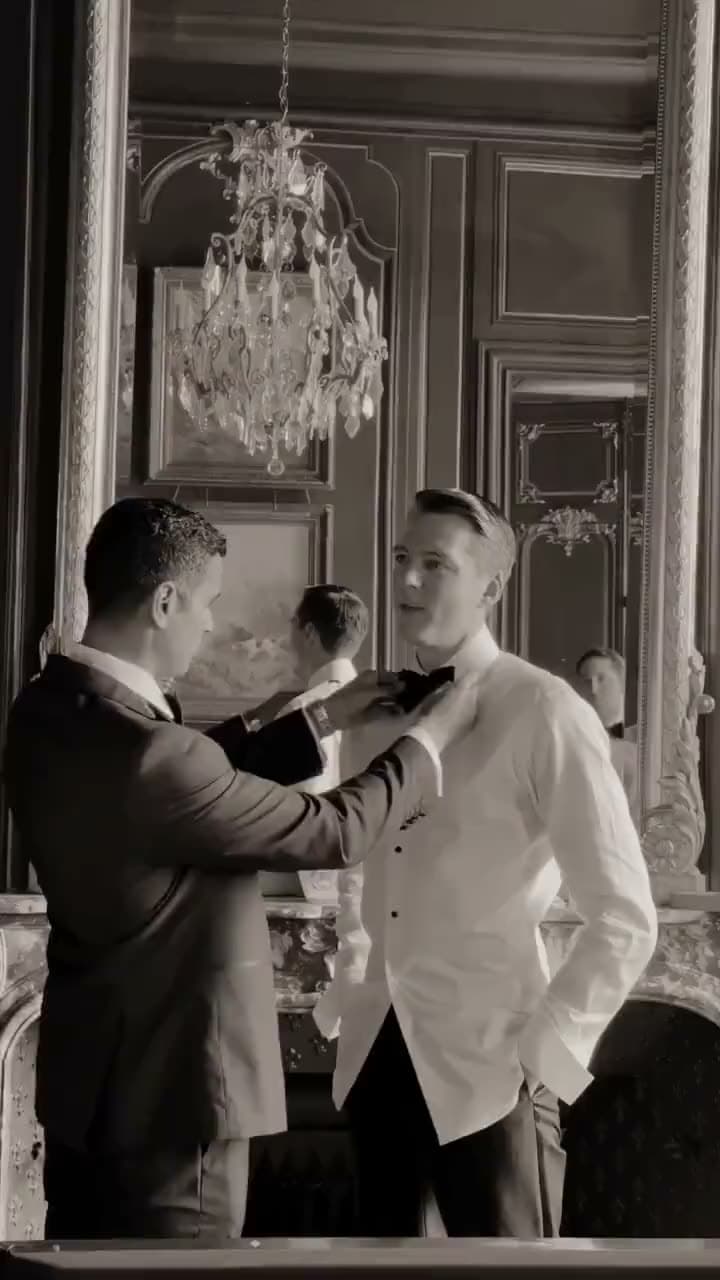
04 — Wedding Day
The Groom
Experience
An immersive design and fitting experience for a luxury or destination wedding — three commissioned looks, cut by our founder, for the day you say forever and the decade that follows it.
The Groom Bespoke Wedding Capsule™
Most grooms are dressed by whatever was available. This is the opposite arrangement — a wardrobe designed for the whole weekend, not a suit found for one afternoon.
A wedding does not ask for one garment. It asks for a ceremony, an evening and a morning after, each with its own register, and it asks for all three to look like they belong to the same weekend.
The capsule is those three commissions taken together and designed as one thing — which is the only way they end up reading as one thing in the photographs.
What It Is For
Three things,
in order
Less to worry about
The wardrobe stops being one of the things that could go wrong. Decisions are made months out, in a room, with somebody whose job this is — rather than in the last fortnight alongside everything else that is unfinished.
A look that holds up
It has to photograph well on the day. It also has to still be worn in ten years, which is a harder brief and the one that actually drives the cutting — generous inlay, a shoulder that is yours rather than a season’s, cloth chosen for life rather than for one afternoon.
An experience worth having
The fittings are part of it rather than an errand inside it. For a destination wedding in particular, the months of design and fitting are frequently the part people remember with the most affection — and they are the part that makes the day feel prepared for rather than survived.
The Three Commissions
Cut by our founder,
personally
The bespoke tuxedo
Cut from a pattern drafted for you and no one else, proved through three fittings before it is finished by hand. This is the garment the ceremony photographs are built around, and the one that has to be right without qualification.
The hand-cut dinner coat
A separate jacket, hand-cut, that carries the evening. It is also the piece with the longest life after the wedding — a dinner coat outlives an occasion in a way a full formal rig never does, which is exactly why it is commissioned rather than hired.
The reception or high tea ensemble
Curated and sartorially designed for the part of the weekend nobody plans for. Lighter cloth, a different silhouette, built for heat and for sitting down — and designed to belong to the same weekend as the other two rather than arriving from somewhere else.
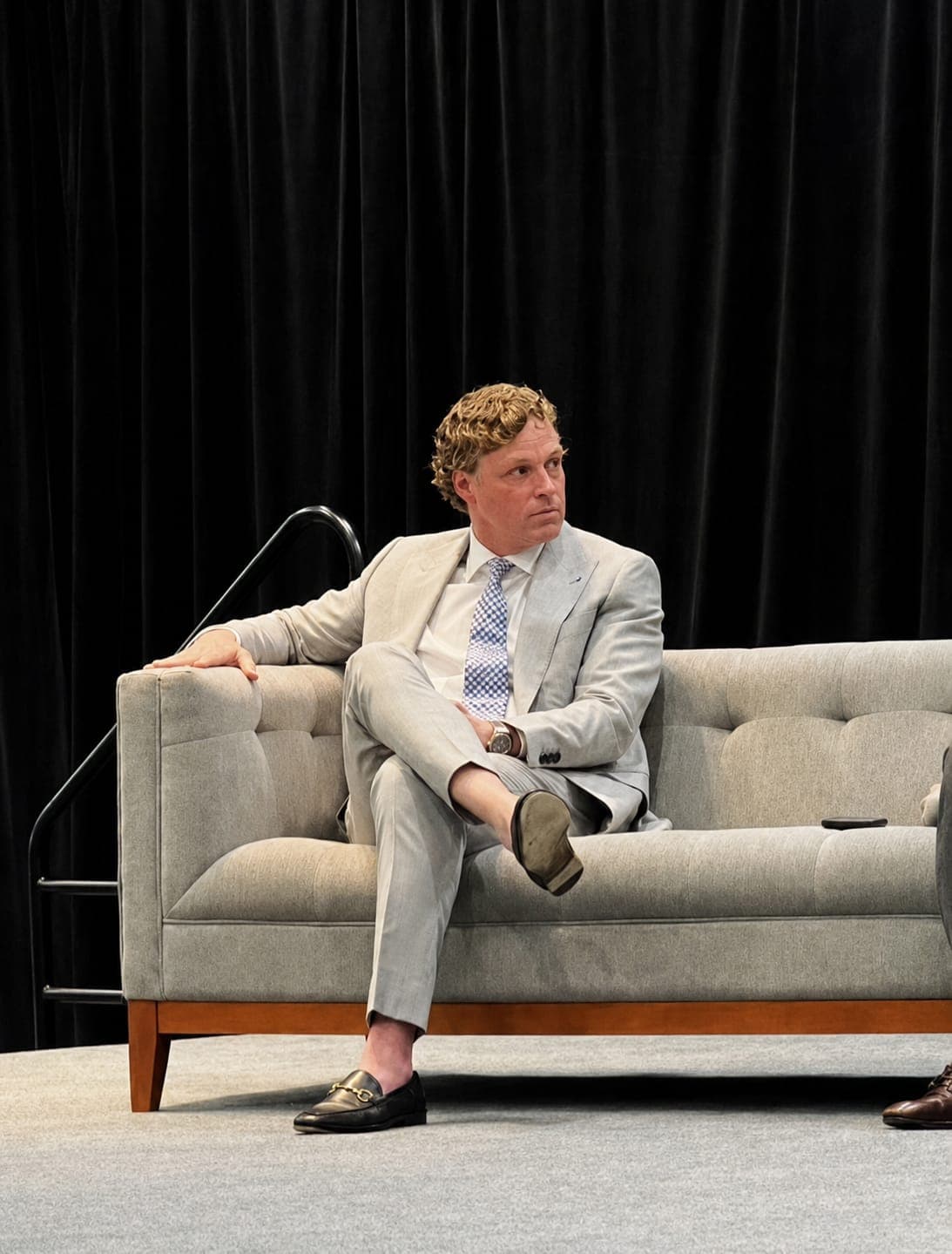
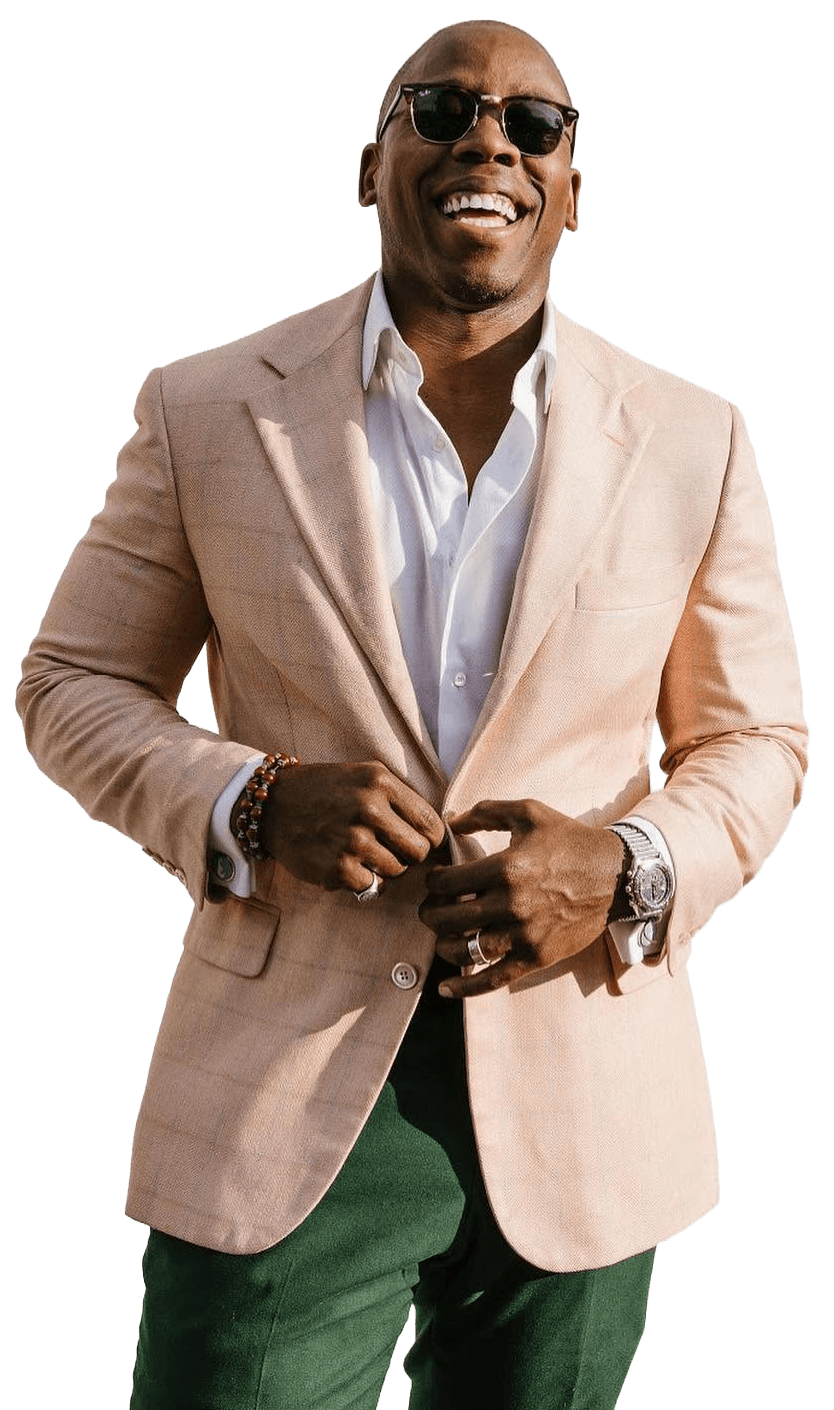
The Looks
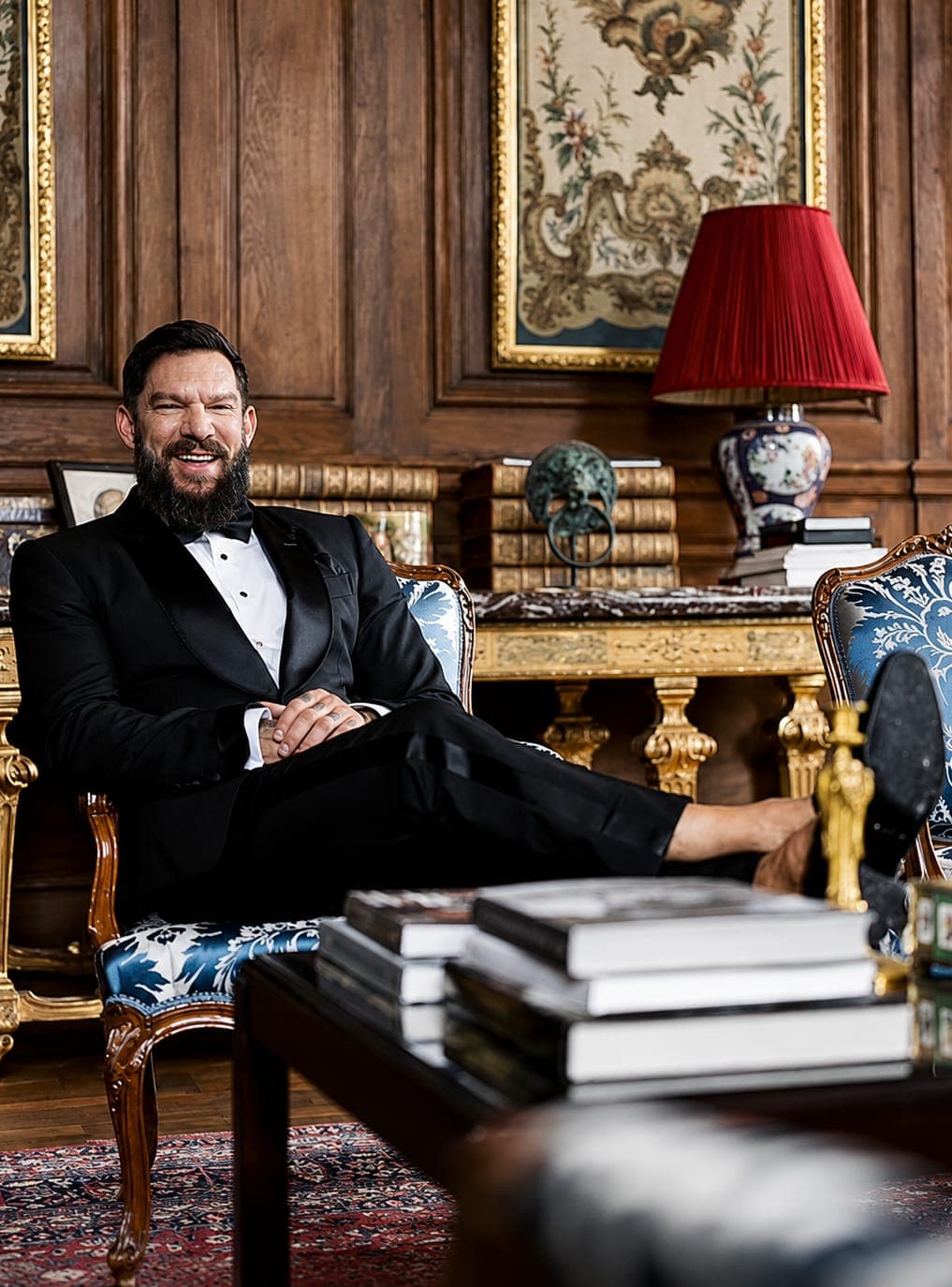
Three registers, one weekend. All three photographed as they left the workroom.
Cut By Hand
The capsule is not handed to a workroom and collected at the end. Brian Burnett guides the selection of the appropriate calibre of luxury cloth, works with the client to advise and design the bespoke sartorial details for proper occasionality, and finally hand-sets the garment’s shape for its final silhouette.
He takes the measurements, drafts the pattern, runs the three fittings and makes the calls that decide whether the garment is any good — the shoulder, the balance, how much is left in the seams for the next ten years.
Everything happens in one building on Johnson Street. Nothing is sent out, which means the person deciding a quarter-inch and the person cutting it are in the same room, and nothing is lost in a handover because there is no handover.
It has to be right on the day. It has to still be right in ten years.
The brief, in one line
Where Our Creations Have Been
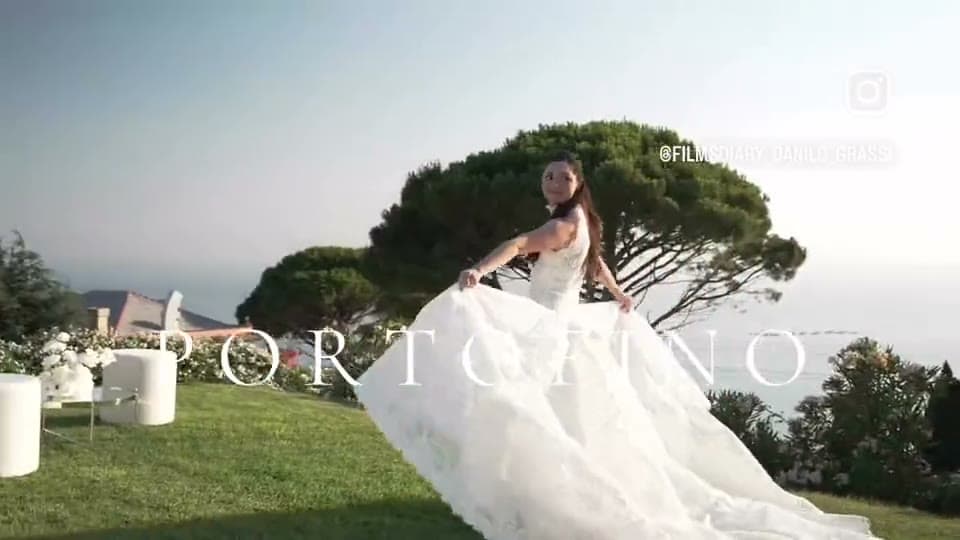
Portofino
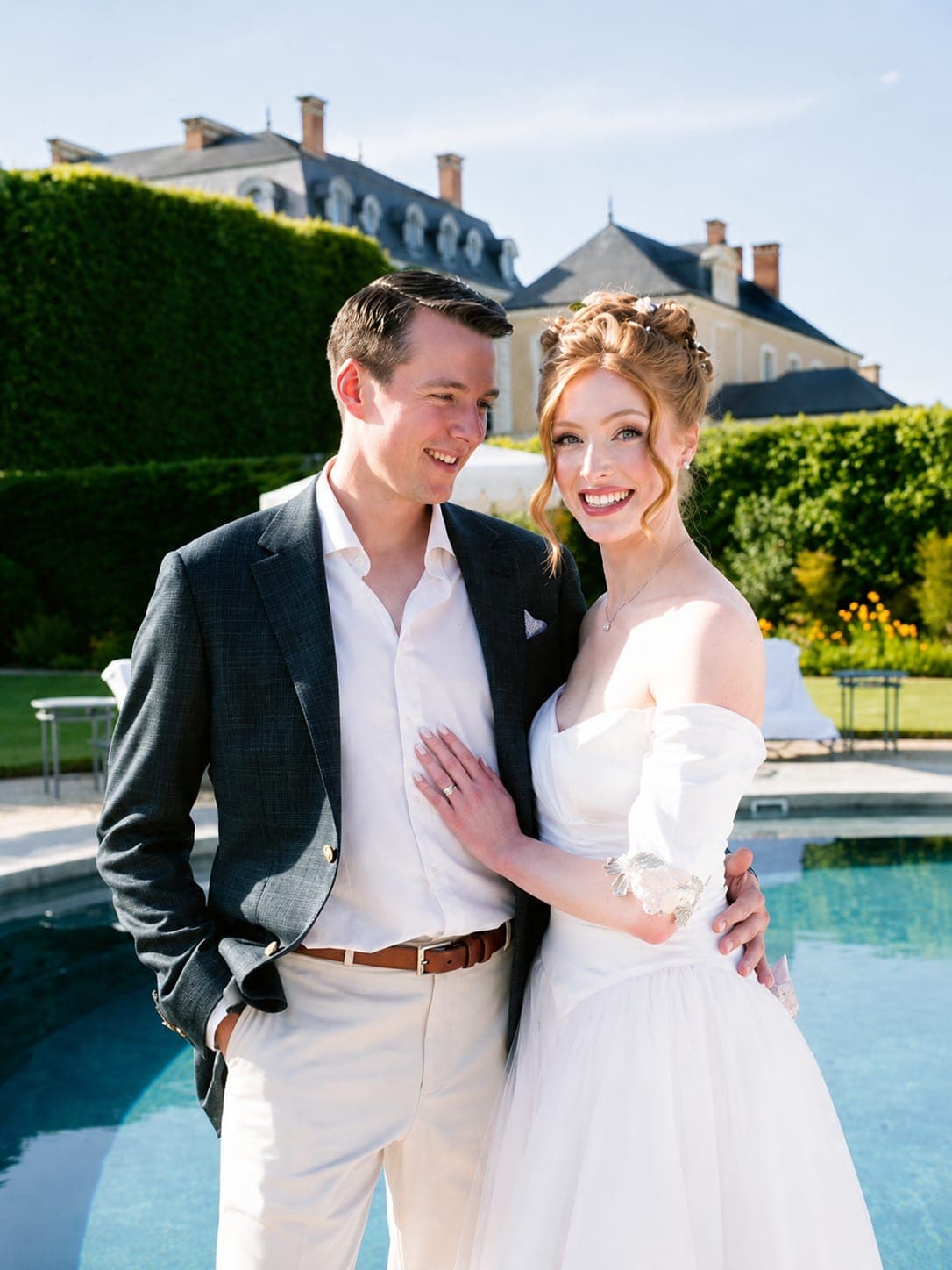
Grand-Lucé
A clifftop terrace above the Ligurian coast, and Hotel Château du Grand-Lucé in France — two destination weddings, and the garments that travelled to them. A suit that has to survive a flight and an afternoon in the open is a different brief from one that only has to survive a hotel ballroom.
Cloth weight, construction and how much a garment can be pressed back into shape on arrival all stop being details and start being the whole design.
The Films
The days
themselves
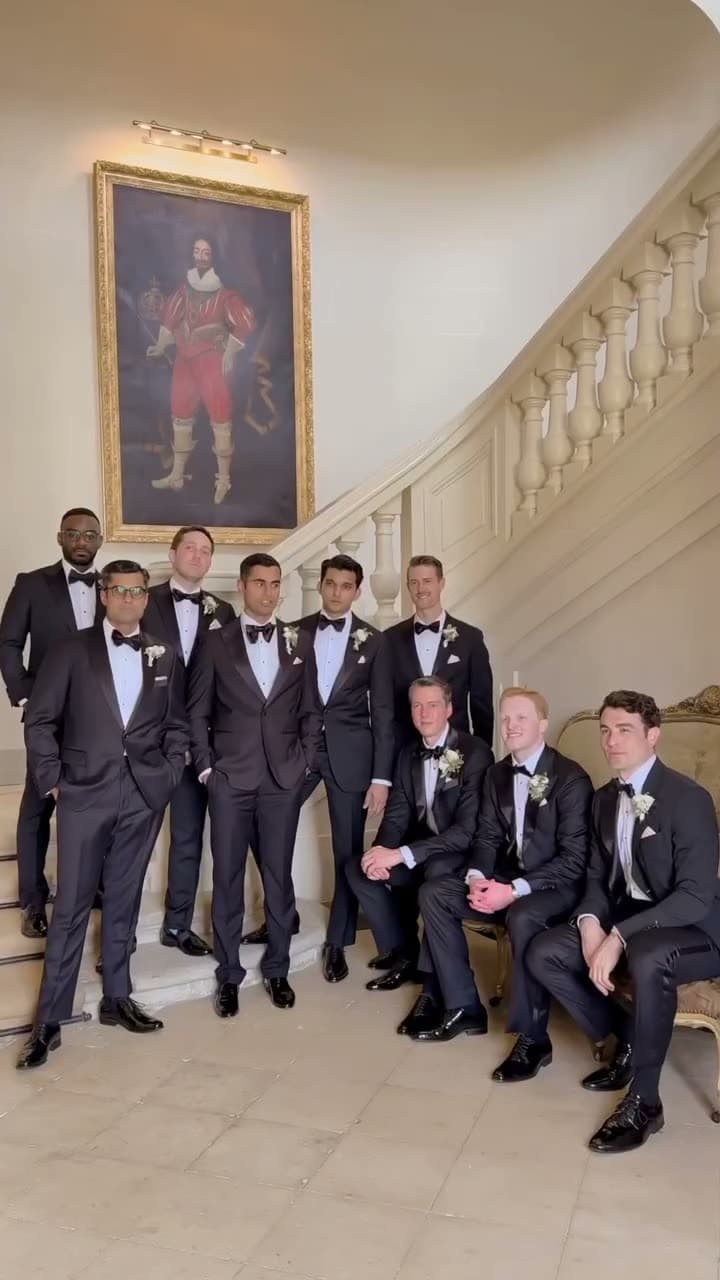
Kevin & Courtney
The whole day in colour, from the groom's bow tie to the champagne tower.
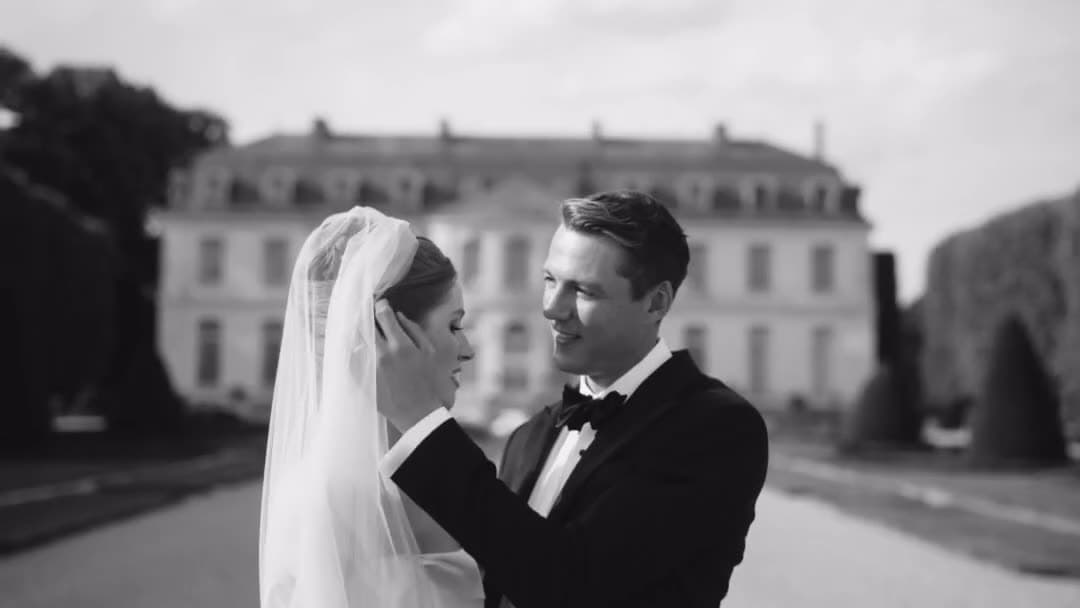
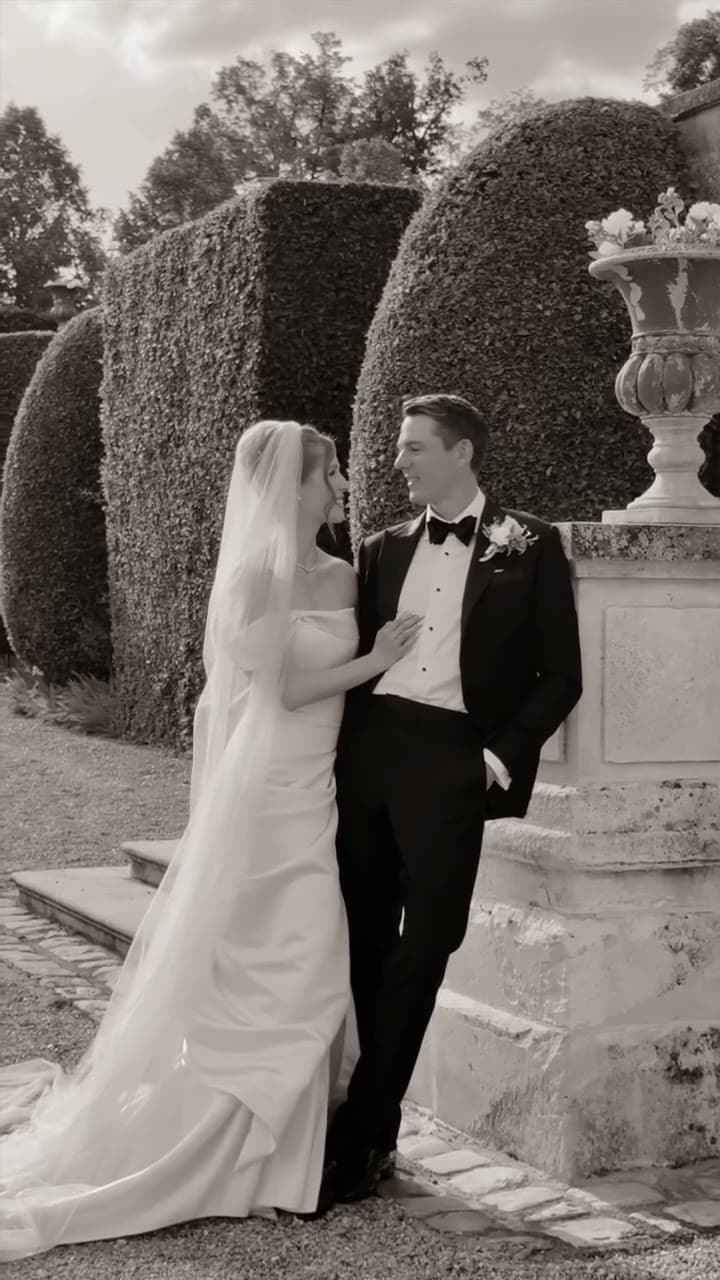
Kevin & Courtney, in black and white
The same wedding, at Hotel Château du Grand-Lucé in France.
How The Year Runs
Working backwards
from the date
The commonest failure is not leaving too little time for the garments. It is leaving too little time for the people.
Six months out
The through-line is decided — cloth family, formality, shoe. A conversation rather than an appointment, and it settles everything downstream.
Four to five months out
Commissions begin for anyone having something made. Three fittings need room to breathe, and this is the window that gives it to them.
Two to three months out
Alterations for anyone wearing something they already own, and measurements taken for groomsmen who live somewhere else.
Three to four weeks out
Final fittings, deliberately clear of the date. Not the week before, and not the day the first flight lands.
And The Rest Of The Party
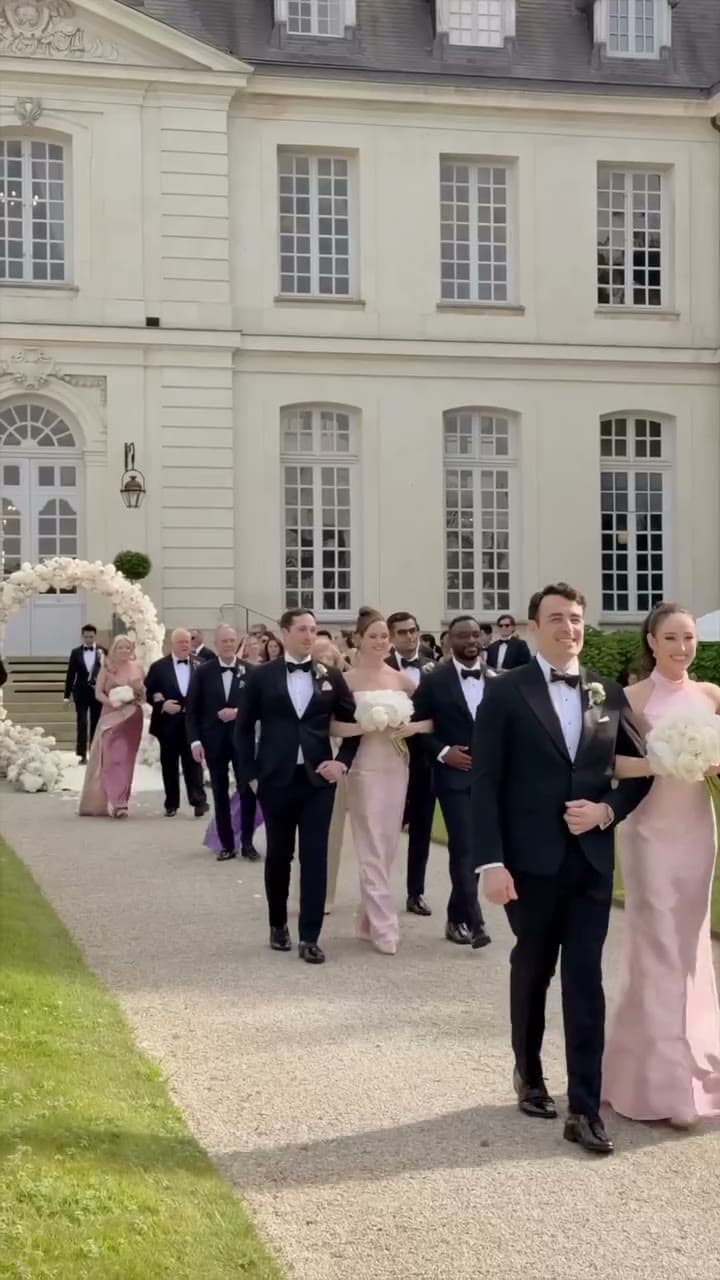
The groom is one person in a photograph of eight. We fit the others too — and the gown.
Groomsmen, fathers and the wider party are fitted so the whole group reads as one considered picture without looking like a uniform. Bridal gown tailoring is booked separately.
Common Questions
Before
you begin
How far ahead should a groom start?
Six months out for the through-line — cloth family, formality, shoe — and four to five months out for anything being commissioned, because a bespoke commission runs through three fittings and those need room to breathe. Final fittings are set three to four weeks before the date, deliberately clear of the week itself. The constraint is rarely the garments; it is six adults with jobs and travel trying to find the same hour.
What is the difference between a tuxedo and a dinner coat here?
Both are eveningwear and both are cut from a pattern drafted for you. The distinction on this page is one of register rather than rank: the tuxedo is the full formal answer for the ceremony, while the dinner coat is the hand-cut jacket that carries the evening — and, in practice, gets worn far more often afterwards, because a jacket outlives an occasion in a way a full rig does not.
Can groomsmen who live elsewhere be included?
Yes, and it is the practical problem most parties hit. Have them measured properly wherever they are, by somebody who does this for a living, and have the garment fitted here when they arrive. Build that final fitting into the days before the wedding. What does not work is a set of numbers taken by a friend with a tape from the internet.
Do you dress the bride as well?
We take bridal gown tailoring, and that appointment is booked separately. We no longer take bridesmaids' dresses. The groom's side and the gown are handled as two pieces of the same picture — which is the whole argument for having one house see both.
How many fittings does the commission take?
Three. A scrap fitting proves the pattern before any of your cloth is cut, a basted fitting happens while every seam can still be moved, and a forward fitting comes before delivery. There has been commercial pressure at various points to compress that to two, and it has never once looked like a good trade.
What does it take to begin?
The $500 Bespoke Grooms Capsule deposit, paid on the groom's page, which reserves the workroom time the party needs and starts the schedule against your date. From there most of the work is conversation — where the wedding is, what the day asks of you, and what you want to still be wearing in ten years. Bring the shoes you expect to wear to your first fitting.
Begin The Capsule
Reserve the party
The capsule begins with a $500 deposit, which holds the workroom time a wedding party needs and starts the schedule against your date.
Deposits are governed by our commission cancellation policy. It is short, and it is the part people wish they had read first.
The Diary
And The Gown
Tuesday – Saturday, 10:30 AM – 5:00 PM. Closed sunday – monday.
Wedding Day
One weekend.
Three garments.
Begin with the capsule deposit, which reserves the workroom time the party needs and starts a wardrobe built for the day and the decade after it.